Considering a move to Windham County? If you want small-town New England charm with more space and a calmer pace, this corner of eastern Connecticut deserves a close look. Choosing the right town and home systems here takes a bit of local know-how, especially around utilities, taxes, and commutes. In this guide, you’ll learn what daily life feels like, which towns to consider, what to check during your search, and where to find reliable data. Let’s dive in.
Quick snapshot
Windham County blends historic mill-village centers with farmland, woodlands, and quiet residential roads. Compared to central and coastal Connecticut, you’ll usually find lower population density and a wider mix of lot sizes. Town governments handle most services and taxes, so policies can vary street to street.
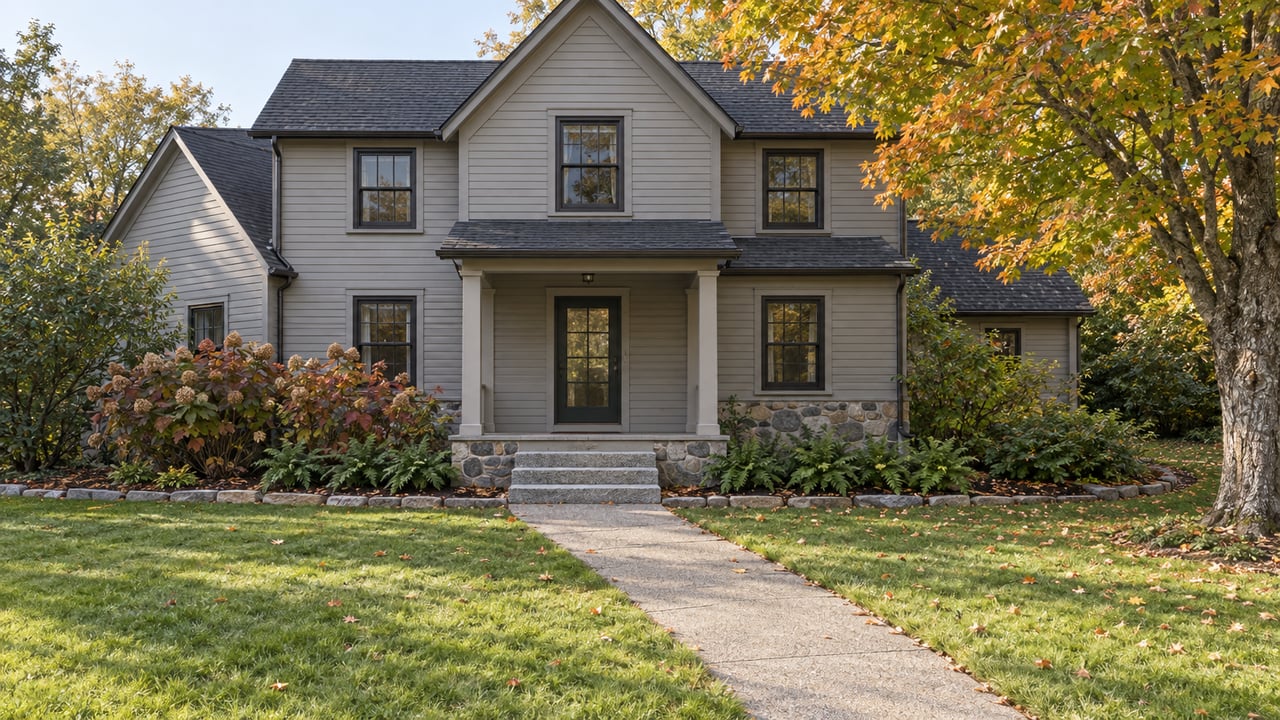
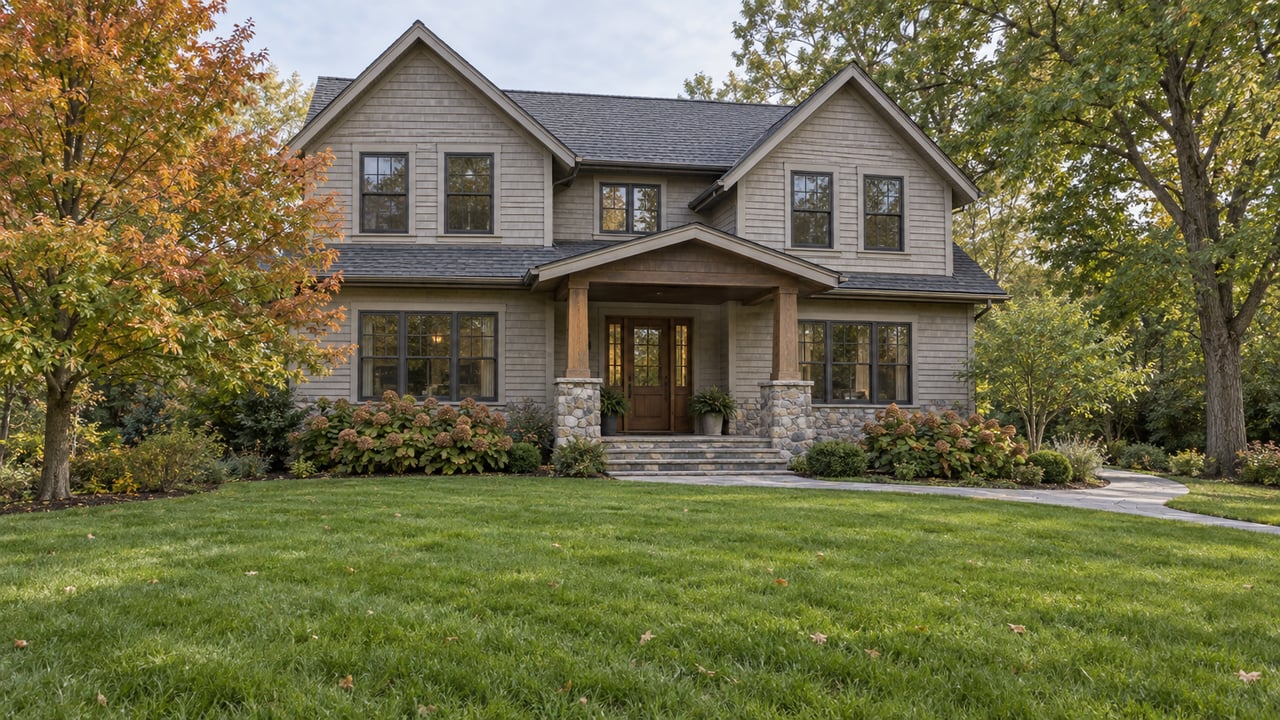
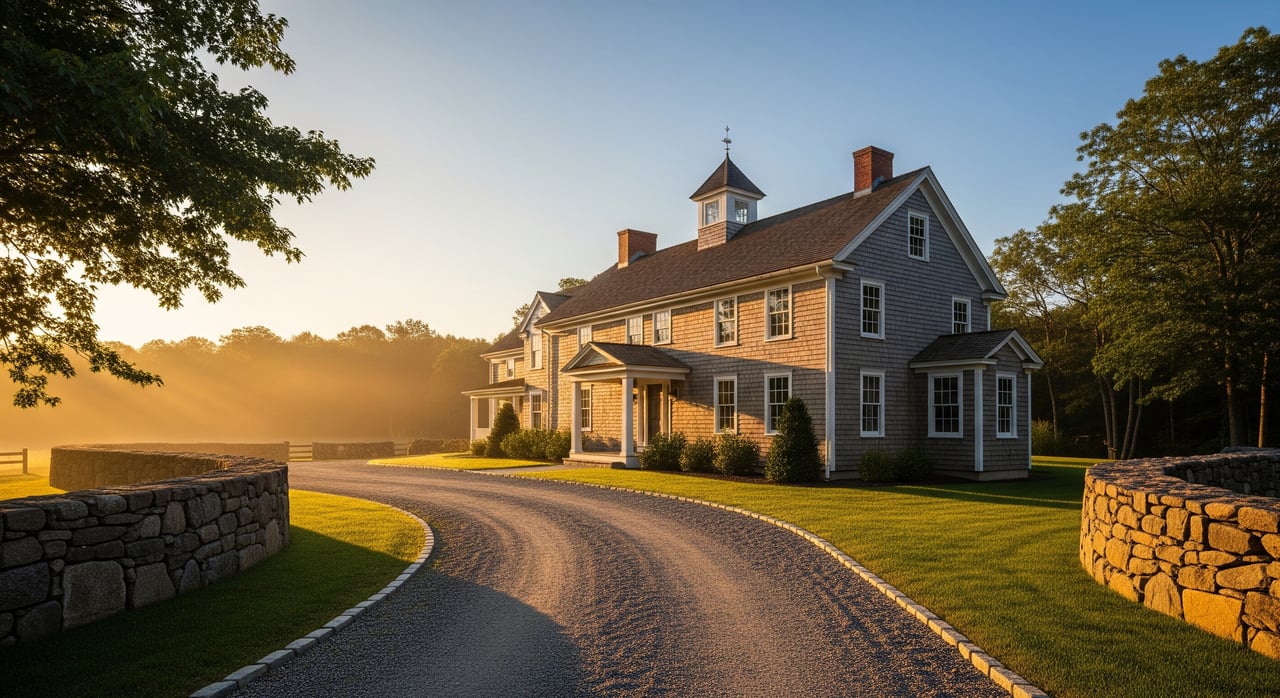
Expect a range of home styles: vintage mill-era houses near village centers, New England colonials and Capes, mid-century ranches, farmhouses on larger acreage, and some manufactured options. Many properties outside town centers use private wells and septic, and heating oil or propane is common.
How daily life feels
Life here is neighborly and practical. Village centers offer libraries, coffee shops, restaurants, and seasonal events. Rural areas deliver quiet roads, fields, and forested views. Outdoor recreation is woven into the landscape, with river corridors and state forests close by.
Most residents drive for work, errands, and school. Commutes often head toward Hartford, Providence, or Worcester, with I-395 and routes like 6, 44, 12, and 101 shaping drive times. For planning, check the Connecticut Department of Transportation for travel resources and park-and-ride information.
Broadband speeds vary. Village centers tend to have better coverage than outlying roads. Before you fall in love with a property, confirm providers and speeds with the FCC National Broadband Map.
Neighborhood spotlights
Windham (Willimantic)
- Character: Historic mill city within the town of Windham, with brick mills, walkable blocks, and a classic Main Street core along the river.
- Homes: Mix of Victorian-era houses, multifamily buildings, starter single-family homes, and historic-district streets where exterior changes may be reviewed.
- Commute: Quick access to Routes 6 and 66 for Hartford and eastern CT employment hubs; local bus options are limited.
- Schools: Public schools are administered by the local district. Review performance and enrollment on the Connecticut State Department of Education report cards.
- Recreation: River views, nearby trail corridors, and easy access to state parks and forests through the CT DEEP State Parks and Forests system.
Putnam
- Character: Compact downtown on the Quinebaug River, with restaurants, small shops, and arts venues in historic buildings.
- Homes: Older colonials and Capes near the village, ranches and split-levels in outlying neighborhoods, plus some larger-lot options.
- Commute: Strong access to I-395; regional drives to Worcester, Providence, and eastern CT employers are common.
- Schools: Local public district. Use state report cards to compare outcomes across grades and schools.
- Recreation: Riverfront paths and easy entry to the Quinebaug and Shetucket Rivers Valley National Heritage Corridor for paddling, birding, and heritage sites.
Woodstock
- Character: Rural and agricultural with scenic roads and wider-open spaces, known for a quiet, country feel.
- Homes: Farmhouses, classic New England colonials, Cape Cod-style homes, and occasional barn conversions on larger lots.
- Commute: Route 169 and local state roads connect to I-395 and southern Worcester County; drives are car-dependent.
- Schools: Public schools are locally administered; review district report cards before you buy.
- Recreation: Access to working farms, scenic drives, and nearby forests and trails via the DEEP system.
Practical buyer checklist
- Prices and timing
- Ask for a fresh MLS or CT REALTORS snapshot for the last 12 months. Inventory and days on market can swing with the seasons. Statewide trends are updated by Connecticut REALTORS.
- Property taxes and mill rates
- Taxes are set by each town. Verify the current mill rate with the town assessor and learn how assessments work. Start with the Connecticut Department of Revenue Services to understand mill rates and assessments.
- Schools and report cards
- Compare district and school outcomes using official state profiles. The Connecticut State Department of Education publishes report cards, graduation rates, and enrollment trends.
- Sewer, well, and septic
- Many homes outside village centers use private wells and septic. Confirm system age, permits, and maintenance records. Plan for a septic inspection and a well flow and water quality test during due diligence.
- Heating fuel and energy
- Oil and propane are common in older and rural homes. Confirm tank location, age, and service records. Ask about insulation, windows, and recent efficiency upgrades.
- Internet and cell coverage
- Coverage can vary on rural roads. Check the FCC National Broadband Map for providers and speeds at a specific address.
- Floodplains and wetlands
- Riverfront and low-lying areas may sit in mapped flood zones. Review FEMA’s Flood Map Service Center and ask the town about wetlands or conservation overlays.
- Historic homes and permits
- Some streets fall within local historic districts. If you plan exterior changes, confirm what needs review. Also verify permits for past additions or accessory dwellings.
- Inspections to prioritize
- In addition to the general inspection, budget for septic, well, chimney, radon, and lead or asbestos checks in older homes.
- Financing and assistance
- First-time and moderate-income buyers can explore CHFA homebuyer programs. Rural-eligible properties may qualify for USDA Rural Development loan options.
Day-in-the-life snapshots
- Commuter family
- You live on a quiet cul-de-sac with a yard for play. Morning drop-off is simple, then you hop on I-395 or Route 6 for work. Evenings mean a quick stop at a local market and a bike ride near the river.
- Remote-work couple
- Your farmhouse sits on several acres. Reliable internet was a must, so you confirmed providers in advance. Weekdays are productive at home, and weekends are for hiking, paddling, and exploring farm stands.
- Downsizer
- You chose a walkable village with single-floor living. Daily routines include coffee on Main Street, library visits, and an easy drive to medical appointments in nearby regional centers.
Recreation highlights
Waterways and trails shape the region’s lifestyle. The Quinebaug and Shetucket river corridors offer paddling, fishing, and scenic walks, and the surrounding farms and woodlands make weekend exploring easy. For hiking, boating, and picnic spots, browse the CT DEEP State Parks and Forests listings.
Heritage sites and seasonal events add local color. The Quinebaug and Shetucket Rivers Valley National Heritage Corridor highlights mills, village greens, and conservation areas across northeastern Connecticut. Expect town fairs, farmers markets, and small craft breweries dotted across the county.
Real-time data and next steps
When you’re serious about a property, confirm the numbers just before you offer. For market stats, use your agent’s MLS pull and statewide trends from Connecticut REALTORS. For taxes, check each town’s assessor page and review mill rate guidance from the Connecticut Department of Revenue Services. School data is available via the Connecticut State Department of Education. Commute planning starts with the Connecticut Department of Transportation, and outdoor options are mapped by CT DEEP State Parks and Forests.
Ready to compare towns, tour homes, and make a confident offer? Connect with a local, hands-on advisor who knows eastern Connecticut and moves fast. Reach out to Skyla Gagnon to map your shortlist and start your search.
FAQs
How do Windham County home prices compare regionally?
- Prices are generally lower than many central and coastal Connecticut areas, but they vary by town and property type. Ask your agent for a fresh MLS pull and consult statewide trends from Connecticut REALTORS.
What are common commute hubs from Windham County?
- Many residents drive to Hartford, Providence, and Worcester using I-395 and state routes like 6, 44, 12, and 101. Public transit is limited, so plan for car-based commutes.
How common are wells and septic systems?
- Outside village centers, many homes use private wells and septic. Budget for a septic inspection and a well flow and water quality test during your inspection period.
What heating fuels should I expect?
- Oil and propane are common in older and rural homes. Confirm tank location, age, and service history, and ask about insulation and efficiency upgrades.
How do I estimate property taxes in a specific town?
- Check the town’s current mill rate and your assessment. Your lender or attorney can help estimate, and guidance is available from the Connecticut Department of Revenue Services.
Is high-speed internet reliable in rural areas?
- Coverage varies by road and provider. Verify service and speeds for a specific address using the FCC National Broadband Map and by calling local providers.
Are there first-time homebuyer programs available?
- Yes. Explore CHFA homebuyer programs statewide and USDA Rural Development options for eligible rural properties. Your lender can confirm eligibility and required credit or income guidelines.