If you picture Washington County as one long beach town, you are only seeing part of the story. Life here can mean a village street near shops, a shoreline home close to the water, or a quieter inland setting with woods, ponds, and more space. If you are considering a move, understanding those differences can help you choose the right fit for your lifestyle. Let’s dive in.
Washington County Has More Than One Coastal Lifestyle
Washington County, often called South County, has a strong homeownership base and a mix of living environments rather than one single coastal identity. The county’s July 1, 2025 population estimate was 129,795, 77.5% of housing units were owner-occupied, and the median value of owner-occupied homes was $510,800.
That broad picture matters because daily life can feel very different from town to town. Some places are compact and walkable, while others are spread out and rural. New Shoreham has just 9.7 square miles of land, while South Kingstown and Exeter each have more than 57 square miles, which helps explain why the county offers such a wide range of settings.
Coastal Living Starts With Water Access
For many buyers, the main draw is simple: you want to be near the water. Washington County delivers that in a big way, with state beaches in or near the area including Charlestown Breachway, East Beach, East Matunuck, Misquamicut, Roger Wheeler, Salty Brine, Scarborough North, and Scarborough South.
Each beach has a slightly different feel. East Beach is described by Rhode Island State Parks as the least developed state beach, while Misquamicut is one of the most popular. Salty Brine is a smaller beach near the active Galilee docks, and Roger Wheeler is known for calm conditions that attract families with small children.
Beyond the beaches, shoreline access is part of everyday life here. Rhode Island’s Coastal Resources Management Council says public shoreline access can include walking, fishing, swimming, and boating, and it may come through beaches, designated rights-of-way, or municipal access points.
That means your experience often depends on the exact location you choose. Public access exists in many forms, but parking, ownership patterns, and the specific setup of each site can vary. If beach access is high on your priority list, it is worth looking closely at how a neighborhood connects to the shoreline in real life, not just on a map.
Boating and Outdoor Routine Are Built In
If you want coastal living to feel active year-round, Washington County offers more than summer beach days. The Rhode Island Department of Environmental Management lists public coastal boat launches in Westerly, Charlestown, Narragansett, South Kingstown, and North Kingstown, including access points like Charlestown Breachway, Galilee, Monahan’s Dock, Narrow River, and Wilson Park.
You also have outdoor options that stay relevant after peak summer. The South County Bike Path runs 7.8 miles from Kingston Station to Narragansett and connects with the University of Rhode Island campus and shoreline routes. That gives you an easy way to mix exercise, commuting, and recreation into your routine.
Nature access also remains strong in the off-season. Trustom Pond National Wildlife Refuge offers a year-round landscape of fields, woodlands, ponds, dunes, and wildlife, while Fisherville Brook Wildlife Refuge in Exeter has trails through 900 acres of former farmland. If your idea of coastal living includes quiet walks, biking, boating, and time outdoors in every season, that is a real strength here.
Village Centers Keep Life Going All Year
One of the biggest surprises for newcomers is that Washington County is not only about summer. Village centers help create a year-round rhythm that balances the busy shoreline season.
Wickford Village is known as a preserved colonial seaside community with year-round cultural events. Wakefield functions as a walkable Main Street hub, and Narragansett’s warm-weather calendar includes concerts and beach movies.
That mix creates a different feel depending on the time of year. Summer often brings more energy, traffic, and visitors near the water, while the shoulder seasons tend to feel slower and more local. For many buyers, that is part of the appeal. You get both a lively beach season and a calmer everyday pace once peak crowds fade.
Housing Styles Vary More Than You Might Expect
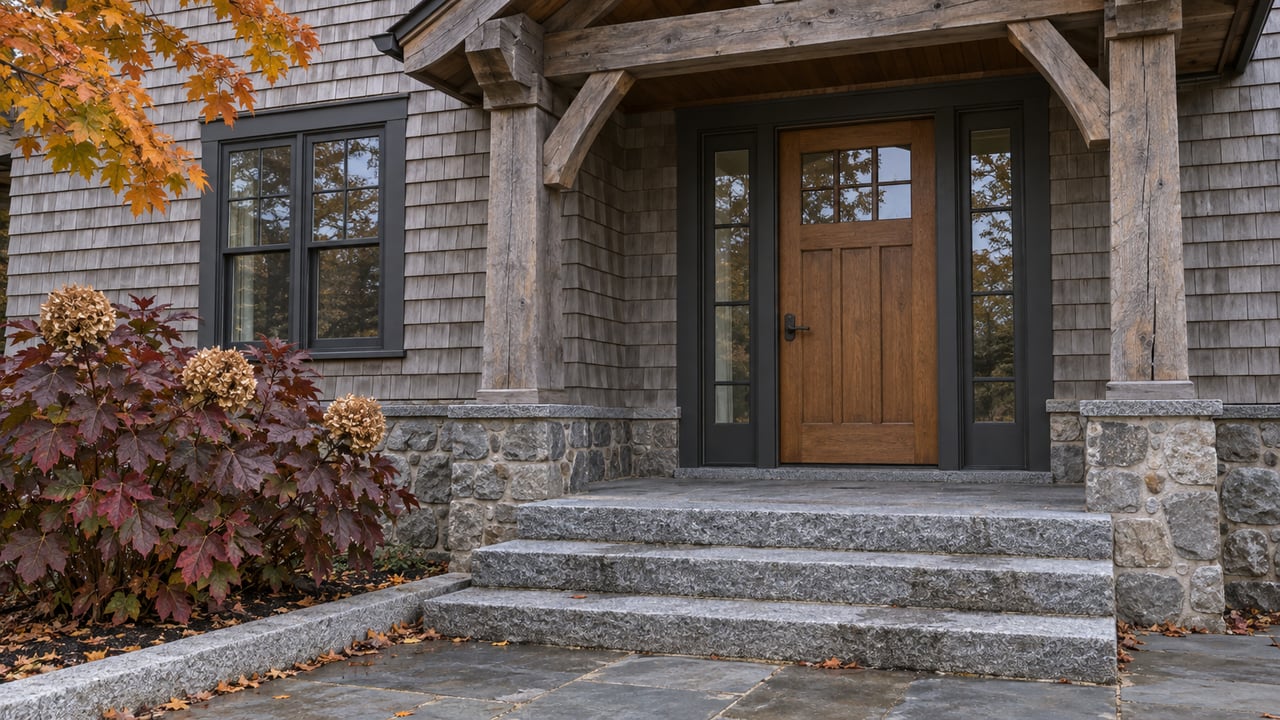
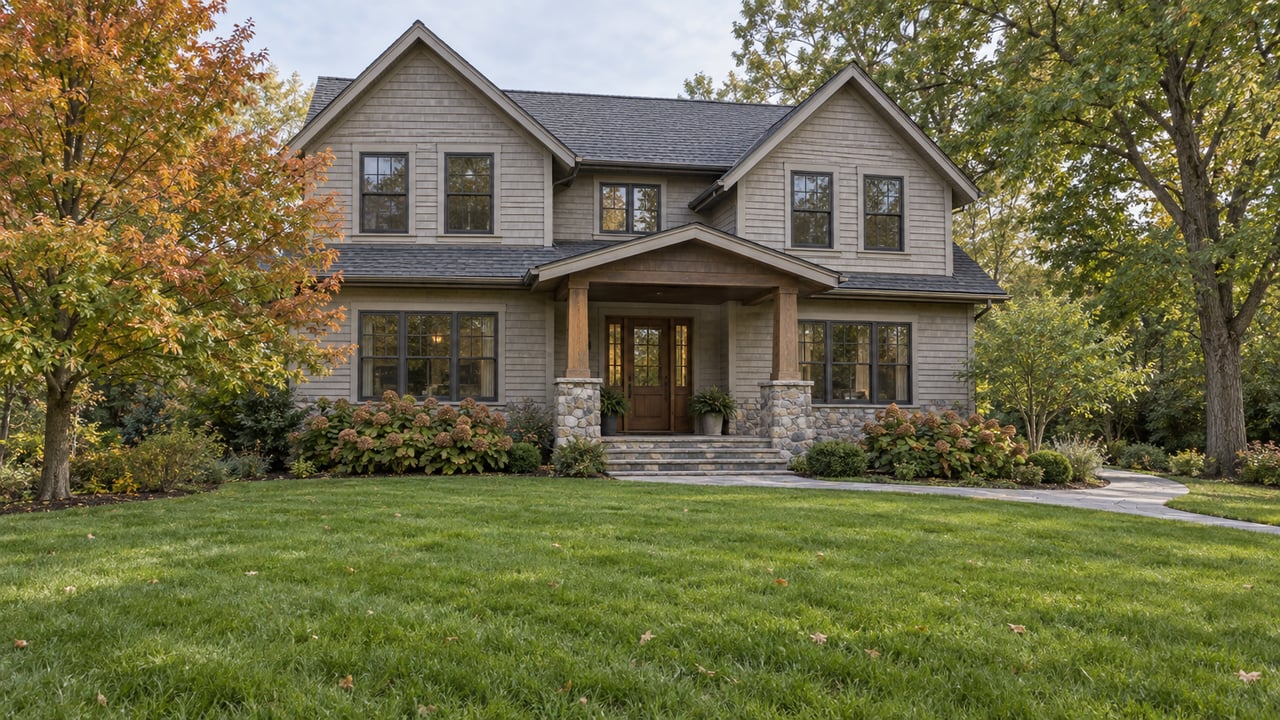
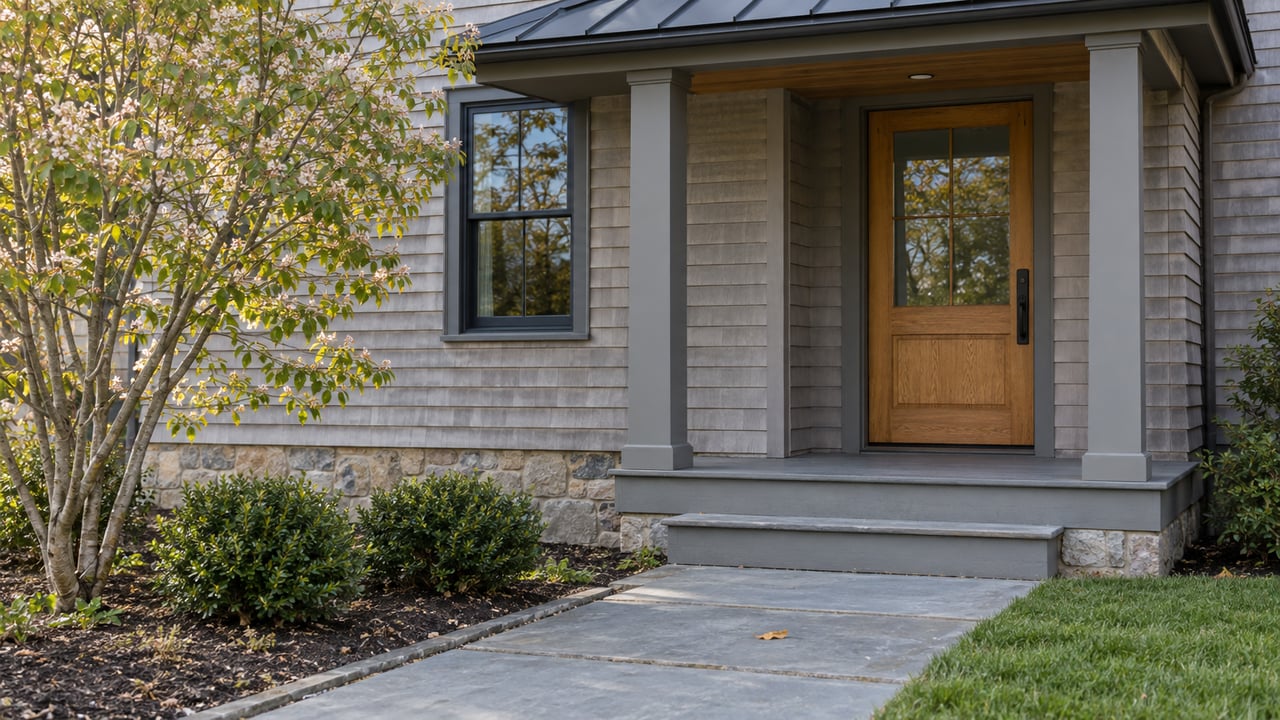
If you are starting a home search here, it helps to know that the housing stock is not limited to beach cottages or vacation homes. Washington County includes preserved village streets, historic homes, inland wooded lots, and more conventional single-family homes.
In Wickford Village, you will find one of the region’s largest collections of eighteenth-century Colonial and Federal-style homes on original foundations. Westerly’s downtown is associated with Victorian architecture and Wilcox Park, while Narragansett’s Pier district is framed by historic homes and Victorian inns with water views.
South Kingstown adds another layer with Wakefield and Kingston, both of which function as historic village centers with their own identities. If you are drawn to character, architecture, and a traditional town setting, these areas may stand out.
Inland towns create a very different visual pattern. Hopkinton is known for historic homes, older routes, and access to the Wood-Pawcatuck River and the Long and Ell Ponds National Natural Landmark. Richmond highlights open green space, the Wood River, and the Washington County Fair, while Exeter shows off the county’s forest-and-farm side clearly through places like Fisherville Brook.
For buyers, the takeaway is simple. You can look for a beach-first setting, a village-centered home, or a more private inland property with extra land. The county supports all three.
What Summer Crowds Really Mean
Seasonality is one of the biggest practical parts of living in coastal Rhode Island. In beach-oriented towns, summer can bring a major shift in traffic, parking, and general pace.
This is especially true in popular spots like Narragansett and Misquamicut. Rhode Island State Parks identifies Misquamicut as one of the state’s most popular beaches, and local planning documents in Narragansett note that a significant portion of housing is rented on a seasonal basis.
That seasonal pattern changes how towns feel. In summer, restaurants, beaches, and waterfront areas can feel busy and energetic. In cooler months, the atmosphere often becomes much quieter.
Neither version is better. It just depends on what fits you best. Some buyers love the buzz of a true beach town in season, while others prefer a location that keeps a stronger year-round balance.
Rentals and Year-Round Availability Can Differ
If you are planning a move before you buy, or you are comparing ownership with renting, local seasonality matters. Narragansett’s comprehensive plan notes that finding 12-month rental options can be difficult in a market influenced by summer tourism and student demand.
That does not mean year-round housing is unavailable across the county. It does mean your options may vary by town, by season, and by how close you want to be to the shoreline. Buyers and relocators often benefit from looking beyond the most obvious beach areas if flexibility and year-round consistency matter most.
Block Island Living Requires Extra Planning
If New Shoreham, better known as Block Island, is on your radar, expect a different kind of coastal lifestyle. Island living offers a unique setting, but it comes with more logistics than mainland towns.
The Block Island Ferry operates year-round passenger and vehicle service from Point Judith, while the Newport passenger route runs seasonally beginning in June. Ferry service can also be canceled for high winds or rough seas, so weather can directly affect travel plans.
That does not make island life harder for everyone. It just means transportation planning becomes part of your normal routine. If you value convenience and predictable commuting, mainland towns may feel easier. If you love the idea of a ferry-based lifestyle and are comfortable planning around conditions, Block Island may still be a strong fit.
Coastal Risks Are Part of the Conversation
Coastal living can be beautiful, but it also requires practical thinking. Flood and erosion risk are important topics when you are considering a shoreline or near-shore property.
FEMA notes that flood insurance may be available through the National Flood Insurance Program in participating communities, but long-term chronic coastal erosion is not covered in the same way. In Rhode Island, erosion-related issues have been flagged by DEM at Quonochontaug Breachway, and DEM and the Town of New Shoreham have reported erosion-related closure concerns at the Mohegan Bluffs staircase on Block Island.
For buyers, the bigger point is not to assume every coastal property carries the same level of exposure or upkeep. Location, elevation, shoreline conditions, and access all matter. A local, property-specific review is essential when you are narrowing your options.
Which Part of Washington County Fits You?
Beach-First Towns
If you want daily access to sand, surf, waterfront dining, and a livelier summer calendar, shoreline pockets like Narragansett, Misquamicut, and Watch Hill tend to fit that goal. These areas are often the most connected to classic beach-town energy.
Quieter Coastal Areas
Charlestown may appeal if you want a calmer shoreline feel, salt ponds, boating access, and less-developed beaches. It offers water-focused living with a quieter tone than some of the busier beach centers.
Village-and-Service Hubs
North Kingstown and South Kingstown often work well for buyers who want historic village character plus everyday convenience. Wickford, Wakefield, the University of Rhode Island, and South County Health help support a stronger year-round core in these areas.
Inland Small-Town Settings
Exeter, Hopkinton, and Richmond may suit you if you want more land, woods, ponds, and a quieter pace. These communities show a different side of Washington County, one that feels less beach-driven and more rooted in rural New England living.
What To Expect As a Buyer
If you are exploring small-town coastal living in Washington County, the key is to match your daily habits to the right pocket of the county. Think about how often you want beach access, how you feel about summer crowds, and whether you prefer a village setting, a shoreline location, or more private inland space.
It is also smart to think beyond the postcard version of coastal life. Parking, public access, year-round services, transportation, and property-specific coastal risks all shape how a home feels once you actually live there.
The good news is that Washington County offers real variety. If you want coastal Rhode Island with options, character, and a strong sense of place, this part of the state gives you a lot to work with.
If you are thinking about buying or relocating in Rhode Island and want help narrowing down which town best fits your lifestyle, Skyla Gagnon can help you compare options and move forward with clarity.
FAQs
What is daily life like in Washington County, Rhode Island?
- Daily life in Washington County can range from beach-centered living in shoreline towns to village-based routines in places like Wickford and Wakefield, or quieter inland living in communities like Exeter, Hopkinton, and Richmond.
How crowded do Washington County beach towns get in summer?
- Summer crowds can be significant in popular shoreline areas, especially around places like Narragansett and Misquamicut, which is identified by Rhode Island State Parks as one of the state’s most popular beaches.
Is there enough to do in Washington County after beach season?
- Yes. The South County Bike Path, Trustom Pond National Wildlife Refuge, Fisherville Brook Wildlife Refuge, village centers, and year-round services help keep the area active beyond summer.
Is shoreline access public in Washington County, Rhode Island?
- Rhode Island protects public shoreline access through beaches and designated rights-of-way, but the exact access points, parking, and site conditions vary by location.
What kinds of homes can you find in Washington County?
- You can find a wide mix of homes, including historic village houses, Colonial and Federal-style properties, Victorian-era homes, inland single-family houses on wooded lots, and homes near ponds or rivers.
What should buyers know about Block Island living in New Shoreham?
- Block Island living involves year-round ferry access from Point Judith, seasonal service from Newport, and possible weather-related cancellations, so travel planning plays a bigger role there than it does in mainland towns.