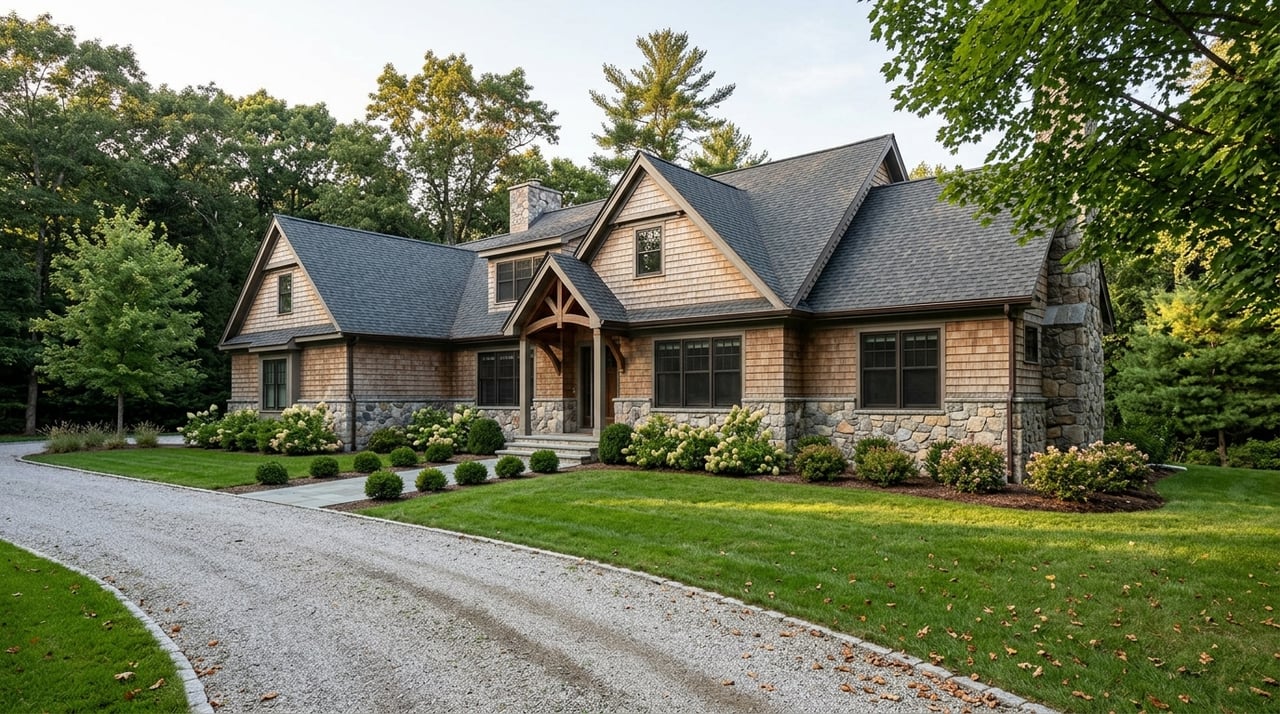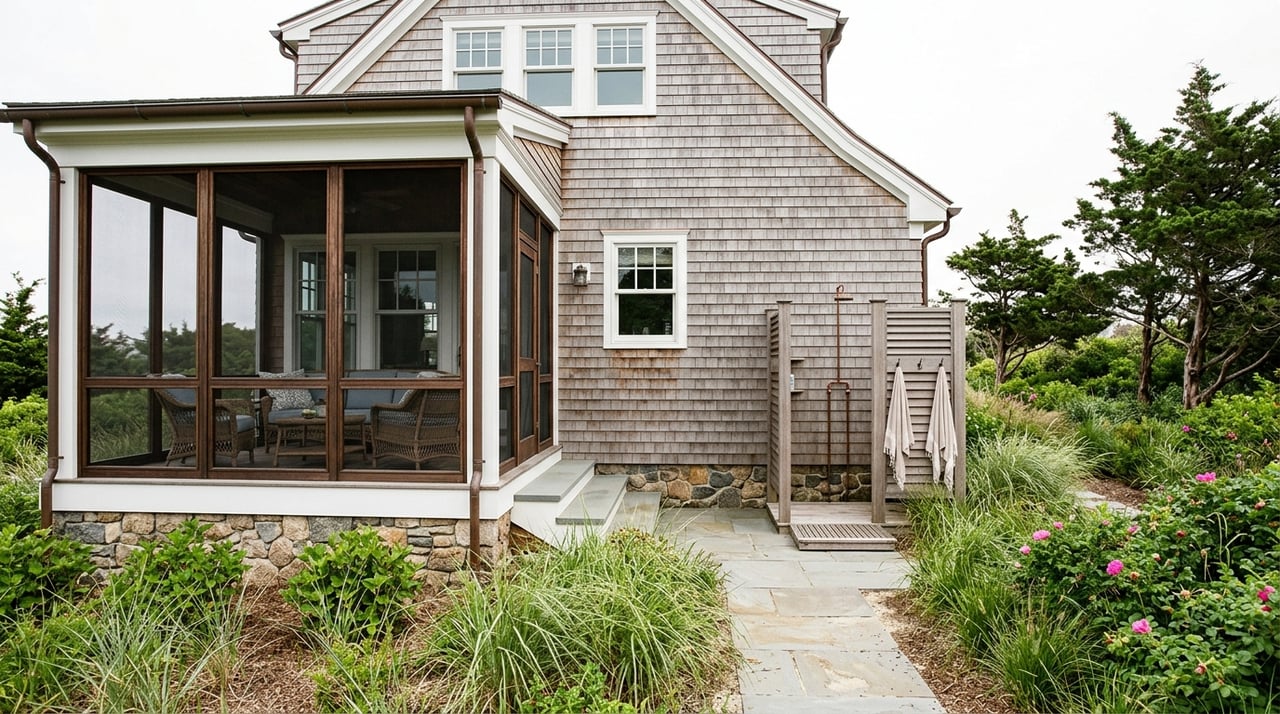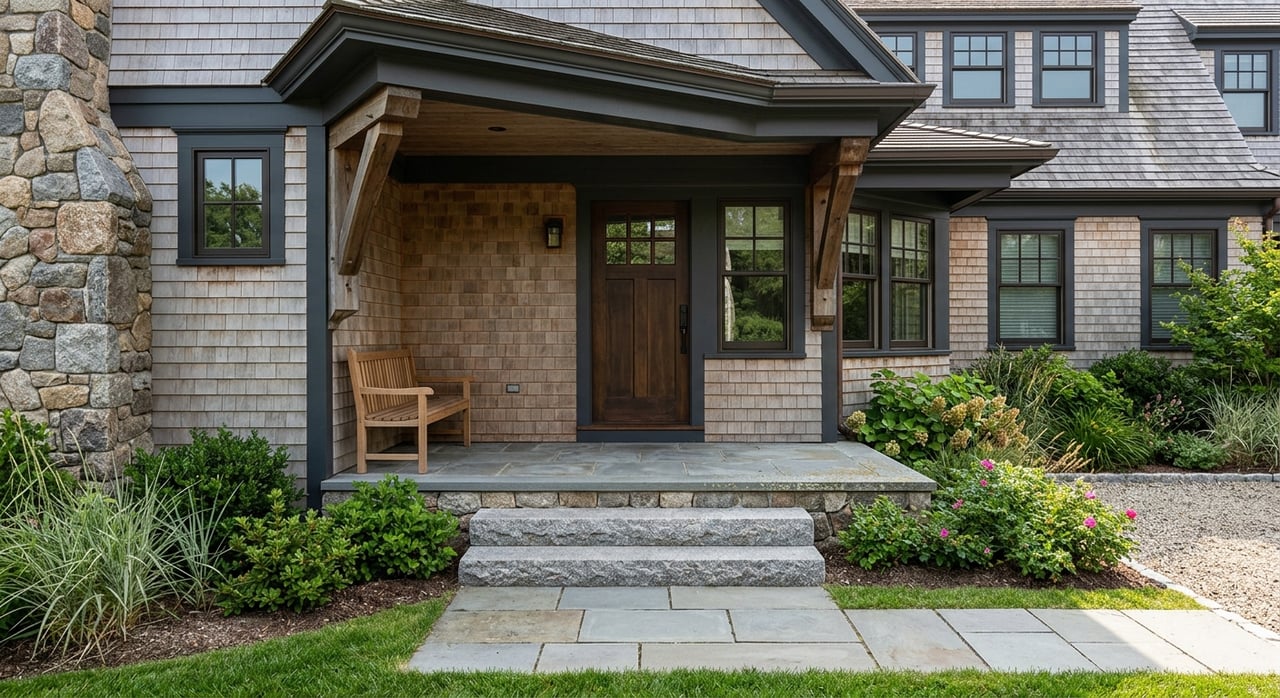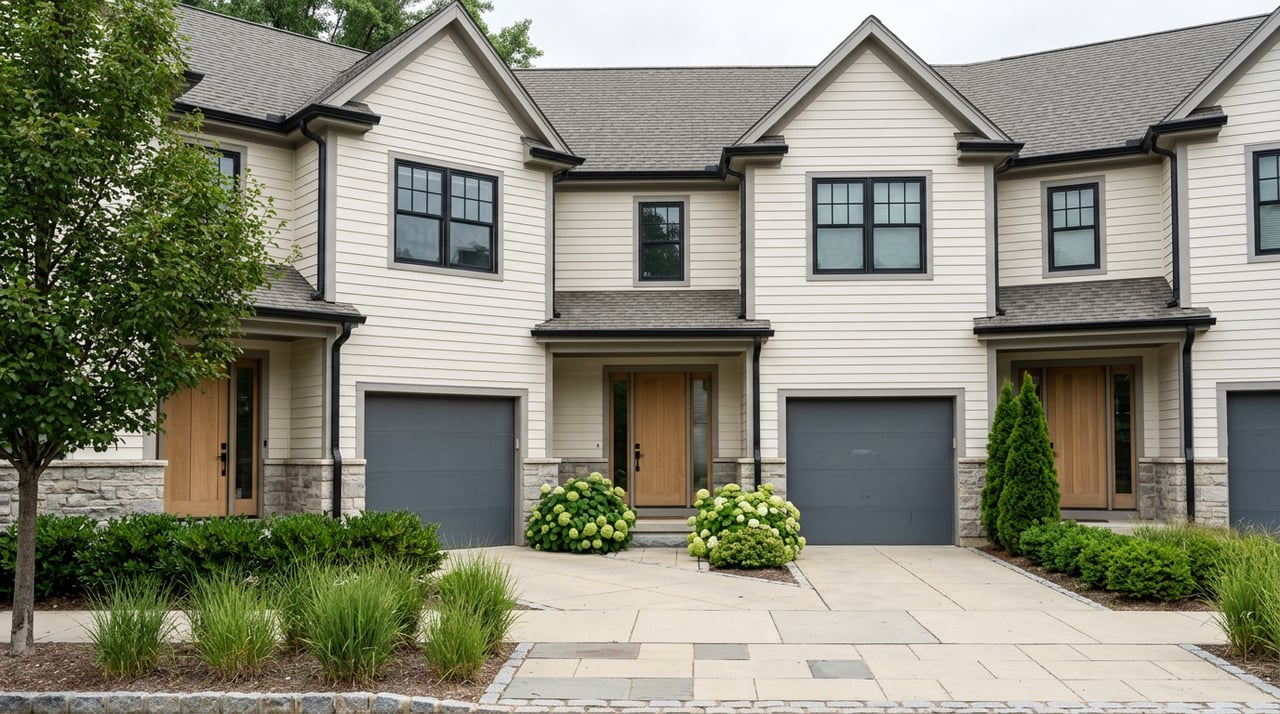
Thinking about a simpler, low-maintenance home base in Kent County? Condos and townhomes can offer the space you need with fewer weekend chores, plus convenient access to shopping, commuting routes, and Narragansett Bay. Whether you are buying your first home, downsizing, or seeking a lock-and-leave lifestyle, you will find solid options across several towns. In this guide, you will learn where to look, typical price and HOA ranges, and the key documents to review before you buy. Let’s dive in.
Why consider a condo or townhome
Condos and townhomes can deliver a predictable monthly budget and professional maintenance of common areas. Many communities cover exterior upkeep, landscaping, and snow removal, which frees up your time.
You can often enter the market at a lower price than many single-family homes, especially in Warwick and West Warwick. At the higher end, newer townhomes and some waterfront buildings in East Greenwich and Cowesett offer premium finishes and amenities with a low-maintenance lifestyle.
If you commute or travel often, you will appreciate easy access to I-95, Route 2, and the airport rail station at T. F. Green in Warwick. That convenience makes attached living especially attractive for busy professionals. For location context, review the airport’s regional connections in Warwick on the T. F. Green International Airport page.
Market snapshot: prices and inventory
County overview
Kent County’s overall median listing price is about $484,900. The county has roughly 76,900 housing units, with condos and townhomes forming a noticeable slice of available inventory concentrated in certain towns.
Typical price tiers in current listings
While exact condo medians vary by town and building, current listing patterns show a practical range:
- Entry-level one-bedroom or garden-style condos: roughly $200,000 to $300,000, especially in Warwick.
- Mid-range units and many townhouses: about $300,000 to $450,000 across several complexes.
- Higher-end new-construction or waterfront options: often $450,000 to $750,000+, commonly seen around East Greenwich and Cowesett-adjacent areas.
These bands help you set expectations as you compare floor plans, finishes, and locations.
HOA fees at a glance
Rhode Island’s median monthly HOA cost is about $314. In Kent County, dues commonly range from roughly $200 per month in simpler garden-style communities to $300 to $400 per month in mid-range complexes, and $400 to $500+ in newer or amenity-rich townhomes. Actual fees depend on services, building age, and amenities. For statewide context, see the HOA statistics overview.
Where to look in Kent County
Warwick: the biggest selection
Warwick offers the widest variety of condo and townhome options in the county. You will find older garden-style buildings, mill conversions, and townhouse communities across neighborhoods like Apponaug, Buttonwoods, and Oakland Beach. Price points span from entry-level one-bedroom units to premium new construction and select waterfront condos.
Many buyers choose Warwick for its mix of one-floor living options, village conveniences, and excellent regional access. T. F. Green International Airport and its rail connections are here, which is a plus for commuting and travel.
West Warwick: value and convenience
West Warwick has a meaningful cluster of smaller condo developments and attached homes. Prices tend to be more approachable than several East Bay and coast-adjacent areas, making it a common target for first-time buyers who want manageable monthly costs yet quick access to Providence-area jobs.
East Greenwich and Cowesett: higher-end inventory
East Greenwich and bordering Cowesett neighborhoods usually carry fewer condo listings at any given time but often at higher price points. Expect newer townhomes and some waterfront or water-adjacent buildings with elevated finishes, attached garages, and low-maintenance living.
Coventry and West Greenwich: suburban choices
Coventry offers primarily single-family neighborhoods with several townhome pockets and condo clusters in newer subdivisions. You can find a lower-maintenance lifestyle without the premium that comes with many waterfront settings. West Greenwich is more rural with a smaller supply of attached homes, so inventory can be limited.
How HOAs work in Rhode Island
What you own vs. what the HOA maintains
In a condominium, you typically own the interior of your unit and share an undivided interest in the common elements. The association usually maintains common areas and building exteriors. Exact responsibilities are spelled out in the declaration and bylaws, so review them carefully. For a plain-English primer on condo ownership boundaries, read Nolo’s overview of what you actually own in a condo.
Budgets, reserves, and special assessments
Rhode Island’s Condominium Act establishes the governance framework for budgets and owner voting. Associations must provide a budget summary and follow a unit-owner ratification process. If owners reject a proposed budget at the required meeting, the last ratified budget can continue until a replacement is adopted. These rules help protect owners, yet they also show why dues can change if reserves are low or large projects arise. See the statute on association budgets and meetings in the Rhode Island General Laws, and the Rhode Island Condominium Act.
Self-managed vs. professionally managed
Some Kent County associations are self-managed by volunteer boards. Others hire professional property managers who handle assessments, vendors, capital planning, and enforcement of community rules. Management quality can affect everything from maintenance response times to how well reserves are planned. For an example of a local management resource operating in Warwick, see this condo management overview.
Financing and insurance basics
FHA, VA, and warrantable status
Financing a condo is different than financing a single-family home. Lenders evaluate the building’s financial health and approvals, not just your income and credit. Ask early whether the project is FHA or VA approved and whether it is considered warrantable for conventional loans. If approvals are not in place, you may face higher down payments or limited loan options.
Master policy vs. your HO-6 policy
Most associations carry a master insurance policy for the building and common elements. You will still need an HO-6 policy for your interior finishes, personal property, and liability. Many owners also add loss assessment coverage in case the association issues a special assessment related to an insured event. For a helpful explanation of coverage boundaries, check Nolo’s guide to condo ownership and responsibilities.
Waterfront and flood considerations
If you are shopping near Narragansett Bay or low-lying areas, confirm flood risk and insurance needs. Review FEMA and state coastal resources, and consider local mapping tools like URI’s STORMTOOLS research for sea level and storm-surge context. A technical overview of STORMTOOLS appears in this MDPI paper.
Smart buyer checklist
Use this quick list to make a confident offer on a Kent County condo or townhome:
- Get the latest HOA documents: declaration, bylaws, rules, budget, and reserve information. Rhode Island requires a budget summary and an owner ratification process, so review the latest materials closely. Start with the state statute on budgets and meetings.
- Confirm what monthly dues include. Look for line items like exterior maintenance, landscaping, snow removal, trash, water or sewer, parking administration, pool or clubhouse, and any waterfront-related services. As a reference point, some complexes list inclusions like dock or mooring maintenance and pool access on their community pages. See an example of HOA inclusions described in a Narragansett Parkway community listing.
- Review 12 to 24 months of board minutes for signals like deferred maintenance, frequent rule disputes, litigation, or upcoming projects.
- Ask about special assessments over the past 3 to 5 years and whether a reserve study guides long-term repairs.
- Verify insurance: master policy details, your required HO-6 coverage, and whether flood insurance is needed based on location and elevation.
- Check financing fit early: FHA or VA approval status and warrantability can affect your loan choices and interest rate.
- Compare total monthly cost: mortgage, HOA dues, property taxes, and utilities. Tax rates vary by town, so use the local assessor’s published mill rate when you estimate the tax line for your unit.
Is condo or townhome life right for you?
If you want less exterior upkeep and a more predictable maintenance plan, a condo or townhome can be a smart move. Downsizers often prioritize one-level living, elevator access, and storage, which many Kent County buildings offer.
If convenience matters most, focus on communities near I-95, Route 2, and T. F. Green rail for commute and travel flexibility. For buyers who value amenities like pools, clubhouses, and waterfront decks, look closely at HOA inclusions and reserve funding so you understand how those features impact monthly dues.
Next steps
When you are ready to explore units that match your budget, floor plan needs, and lifestyle, connect with a local, hands-on agent who knows the buildings, HOAs, and approvals. If you want fast, professional guidance and clear next steps, reach out to Skyla Gagnon to start your Kent County condo or townhome search today.
FAQs
How much are HOA fees for Kent County condos?
- Rhode Island’s median HOA is about $314 per month, and Kent County listings commonly range from $200 to $500+ monthly depending on services, building age, and amenities.
Do I need an HO-6 policy if my HOA has insurance?
- Yes. The HOA’s master policy covers the building and common areas, while your HO-6 covers your unit interior, personal property, liability, and often loss assessment.
Are condos easy to finance for first-time buyers?
- It depends on the building’s status. FHA or VA approvals and conventional warrantability affect loan options and down payment requirements, so check early with your lender and the association.
Which Kent County towns have the most condo choices?
- Warwick offers the largest selection, West Warwick tends to be more affordable, and East Greenwich plus Cowesett-adjacent areas often feature higher-end townhomes and waterfront options.
What do HOA fees typically include in Kent County?
- Common inclusions are exterior maintenance, landscaping, snow removal, trash, water or sewer, parking administration, and sometimes pools, clubhouses, or waterfront-related services.
How do special assessments work in Rhode Island condos?
- Associations follow state rules for budgets and owner meetings. If reserves are insufficient for major projects, the board may levy a special assessment following the process in the governing documents and state law.